Bonus Rounds in Pokies Wheel: The Real Maths Inside
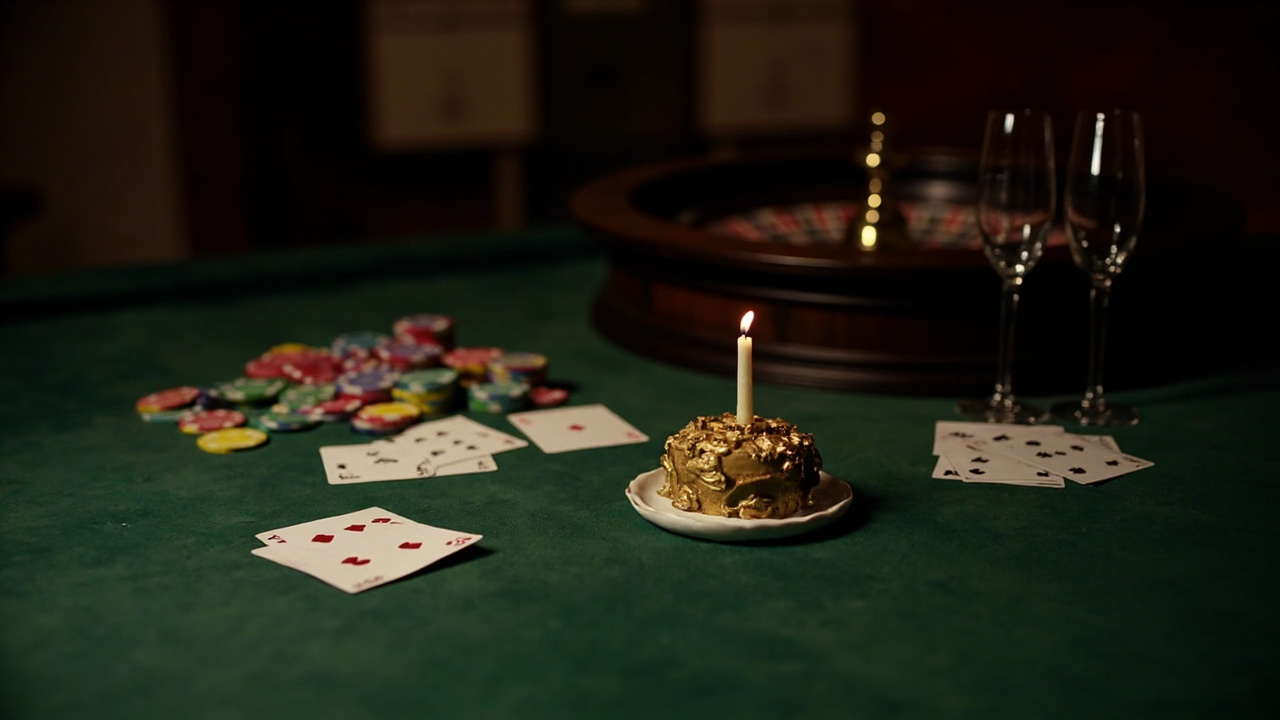
Most pokies players in Western Sydney reckon the wheel is the bit that matters, not the base game. Bonus rounds in pokies wheel formats turn a regular spin into a small spectacle worth understanding before you stake real money. Players who want a head start often browse aggregator pages likehellspinnodepositcode.com to compare welcome structures before they commit a cent. This guide asks the questions worth weighing.
How Do Pokies Wheel Bonus Rounds Actually Trigger?
The mechanics behind the wheel matter more than the gloss. Some wheels fire on three scatter symbols, others drop in randomly, and a few only fire once you’ve cleared a level-up ladder. The question worth asking isn’t just „how do I get in?” but „what am I paying to get in?” A wheel that only triggers on a max bet looks generous in screenshots but eats through a bankroll fast, particularly for anyone running 50-spin sessions on a $50 budget.
Comparing global standards, US land-based cabinets often lock wheel bonuses behind denomination choices, while UK online releases lean toward feature-buy buttons priced at 80-120x stake. European regulators in places like Malta require the feature-buy price to be clearly displayed, and the same wedge-weight disclosure rule applies to standalone wheel games. Ask whether the trigger is weighted, whether the bonus frequency matches the published return-to-player figure, and whether the wheel awards a fixed coin win or a multiplier on your triggering stake. Those three numbers tell you almost everything, and any operator that hides one is asking for trust it hasn’t earned.
What Stakes Make Sense Inside the Wheel?
Sizing your spin comes down to three things: the wheel’s payout ceiling, the volatility rating, and your session budget. A wheel offering 5,000x your line bet means nothing if you’re spinning at the minimum, and a low-volatility wheel at maximum bet still bleeds slowly. The honest maths is that 70-80% of the wheel’s value sits in the top three wedges, so flat-betting players rarely see the headline prize. They hit the small coin wins, the respin offers, and the consolation multipliers that exist to keep the session alive rather than to deliver.
Running growth forecasts for casino operators taught me the same lesson I’ve seen in retention dashboards: chasing the top reward on a tiny sample size is a funnel-killer. Pick a stake that lets you survive 100+ spins without topping up, and treat the wheel as a payoff for patience rather than a rescue plan. If your session is shorter than 40 minutes, downgrade the denomination and play two wheels instead of one – defo don’t chase. The numbers don’t care how confident you felt at spin 20.
Which Features Actually Pay Out vs. Glitter?
Theatre sells, but maths decides. A wheel with twelve wedges, fixed coin wins, and a single jackpot tick gives you roughly a 1-in-12 chance per spin of hitting the top end, which is far better odds than a forty-wedge wheel with multipliers and „mystery” segments. Mystery wedges sound exciting but compress expected value into a smaller slice, and the engine still has to honour the return-to-player rate somewhere.
Globally, European developers under Swedish licence tend to publish wedge weights in their game sheets, while US sweepstakes-style games often hide the distribution behind a „fairness certificate.” From a retention standpoint, what I’ve seen across dozens of operator dashboards is that mystery wedges correlate with shorter sessions but lower next-day return, because the dopamine spike doesn’t carry a clear learning signal. Players leave unsure what just happened, cutting lifetime value next – a trade-off most operators accept for the acquisition spike. Australian players reading offshore terms should hunt for the wedge weight disclosure, the maximum conversion cap, and whether wheel re-spins are paid or free. If a brand hides two of those three, walk.
| Feature | Detail |
|---|---|
| Trigger frequency | 1 in 80-150 spins |
| Top wedge value | 1,000x-5,000x stake |
| Wedge count | 8-24 segments |
| Mystery wedges | Under 30% of wheel |
Where Do Aussie Players Line Up Their Next Spin?
Picking a venue to play is the same decision tree as picking the wheel itself: read the rules, check the maths, ignore the marketing. Offshore sites targeting Australians will list their licence in Curaçao or Anjouan rather than locally, and players should know that no Australian regulator authorises real-money offshore online pokies. What you can verify is the game provider list, the published RTP, and whether the bonus terms cap wheel wins separately from base game wins.
Mobile compatibility matters too; a wheel that stutters on a 4G connection in Penrith or Parramatta is a wheel you’ll never finish, so check the demo on your actual device before you deposit. If you’re after a curated starting point, you’ll often look at aggregator listings that rank deposit-free offers against wagering terms. Australian players reading these mechanics will find a useful sign-up bonus guide walking through how welcome packages interact with feature-heavy pokies in practice, and the same wedge-weight questions apply across the Tasman.
Set a hard stop before the wheel spins, not after, and check withdrawal timeframes in plain English before you fund the account.

Pick the wheel you’d happily play 200 times, not the one that looks best in a 30-second clip. Bonus rounds in pokies wheel formats reward discipline more than luck, and the player who checks the maths before the first spin keeps more of their bankroll than the one who chases the headline wedge. Stick to the rules, downgrade when the session runs short, and the wheel stops feeling like a gamble and starts feeling like a plan.